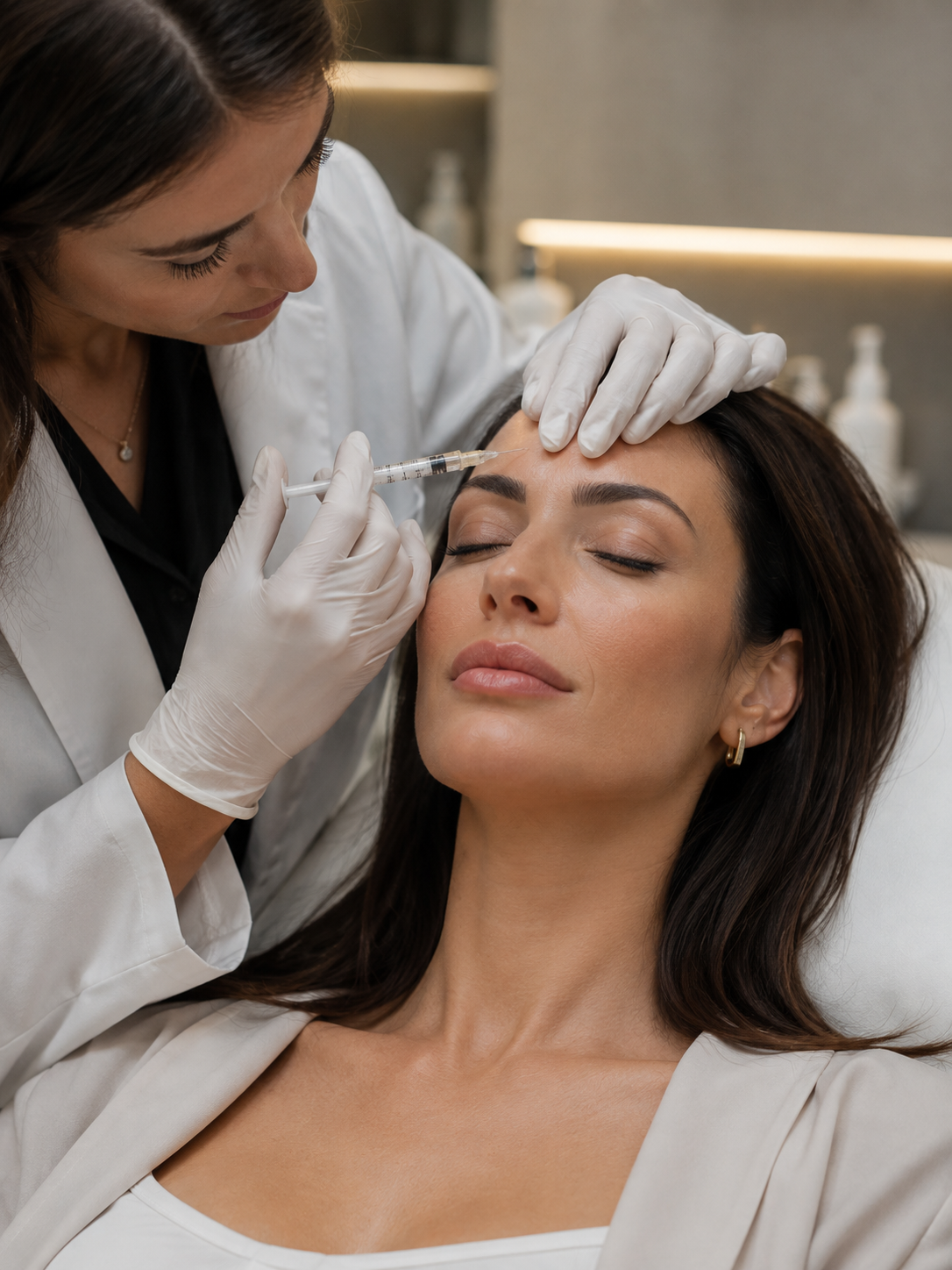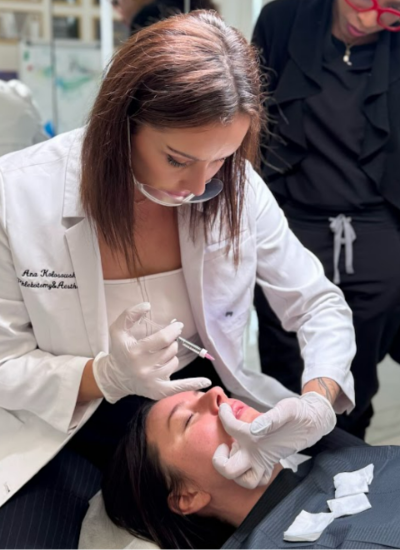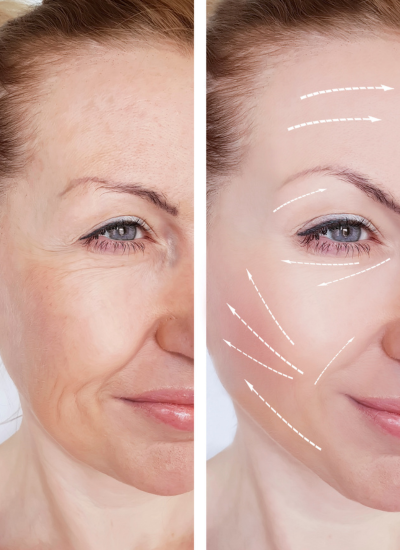

Facial ageing is not only about lines and wrinkles. Over time, changes in skin quality, soft tissue support and facial contours can all contribute to a less defined or more tired appearance.
For people who are not considering surgical facial lifting, thread lifting may be one of the treatment options discussed during an aesthetic consultation.
At Star Aesthetics in Birmingham, PDO thread lifting is approached as an individual treatment rather than a one-size-fits-all procedure. Facial anatomy, skin quality, degree of laxity, previous treatments and expectations all need to be considered before deciding whether thread lifting is appropriate.
This guide explains what PDO thread lifting is, how it works, what it may help with and what you should know before treatment.
What Is a PDO Thread Lift?
A PDO thread lift is a minimally invasive aesthetic procedure in which absorbable threads are positioned beneath the skin to provide support to selected areas of the face.
PDO stands for polydioxanone, a material that has also been used in absorbable medical sutures.
Depending on the type of thread and technique used, threads can be positioned to support and reposition soft tissue while helping to improve the appearance of selected facial contours.
Thread lifting is not the same as a surgical facelift.
The changes are generally more subtle, the procedure does not remove excess skin, and the results are temporary.
For the right person, however, it may be considered when the aim is a modest improvement in facial definition without undergoing surgery.
How Does a PDO Thread Lift Work?
Thread lifting generally has two components.
The first is mechanical support. Certain types of threads are designed to engage tissue beneath the skin and provide a lifting or supporting effect in the treated area.
The second relates to the body’s natural response to the presence of the absorbable thread.
As the area heals, biological processes take place around the thread. This may include changes associated with collagen formation and tissue remodelling.
This is sometimes described online as “collagen regeneration”, but it is important not to interpret that phrase as a guarantee that the skin will dramatically rebuild itself or that thread lifting can reproduce the results of surgery.
The visible outcome depends on the individual, the technique used, the areas treated and the degree of tissue laxity present before treatment.
Which Areas Can Be Treated?
PDO thread lifting may be considered for selected areas of the face where support or improved definition is the treatment goal.
This can include the lower face, jawline, cheeks or other areas where changes in facial contours have become noticeable.
The appropriate placement and number of threads cannot be determined from a photograph or social media post alone.
Facial anatomy differs considerably between clients, so treatment planning needs to be based on an in-person assessment.
Can PDO Threads Improve the Jawline?
Jawline definition is one of the common reasons people enquire about thread lifting.
For suitable clients, strategically placed threads may help support tissues around the lower face and create a more defined appearance.
However, a poorly defined jawline can have several different causes.
Skin laxity, facial fat distribution, bone structure and changes in surrounding tissues can all influence the appearance of the lower face.
This is why the same treatment will not be appropriate for every person who wants a sharper jawline.
During consultation, the practitioner can assess what is contributing to the concern and whether thread lifting should be considered at all.
Is a Thread Lift a Non-Surgical Facelift?
The phrase “non-surgical facelift” is commonly used in aesthetic marketing, but it can create unrealistic expectations.
A PDO thread lift does not produce the same degree of change as surgical facelift surgery.
Surgical procedures can reposition deeper tissues and remove excess skin in ways that injectable or thread-based treatments cannot reproduce.
Thread lifting is better understood as a minimally invasive treatment that may provide a temporary and more subtle improvement in selected facial areas.
For some clients that may be exactly what they are looking for.
For others, a different aesthetic treatment — or no treatment at all — may be more appropriate.
What Happens to the Threads Over Time?
PDO threads are absorbable.
They do not remain permanently beneath the skin.
As the material gradually breaks down, the lifting effect also changes over time. The duration of a visible result varies between individuals and should not be treated as a guaranteed fixed period.
Factors such as facial movement, skin quality, age, treatment technique and individual biological response may all influence how the result develops.
This is one reason responsible consultation should include realistic discussion about temporary results and future treatment planning.
When Will I See Results?
Some change in facial support or contour may be visible soon after treatment because the threads are mechanically supporting the tissue.
However, the appearance immediately after the procedure is not necessarily the final result.
Temporary swelling, bruising or tissue changes may affect how the area initially looks.
The treated area then settles over the following days and weeks.
Any longer-term changes associated with tissue response develop progressively rather than instantly.
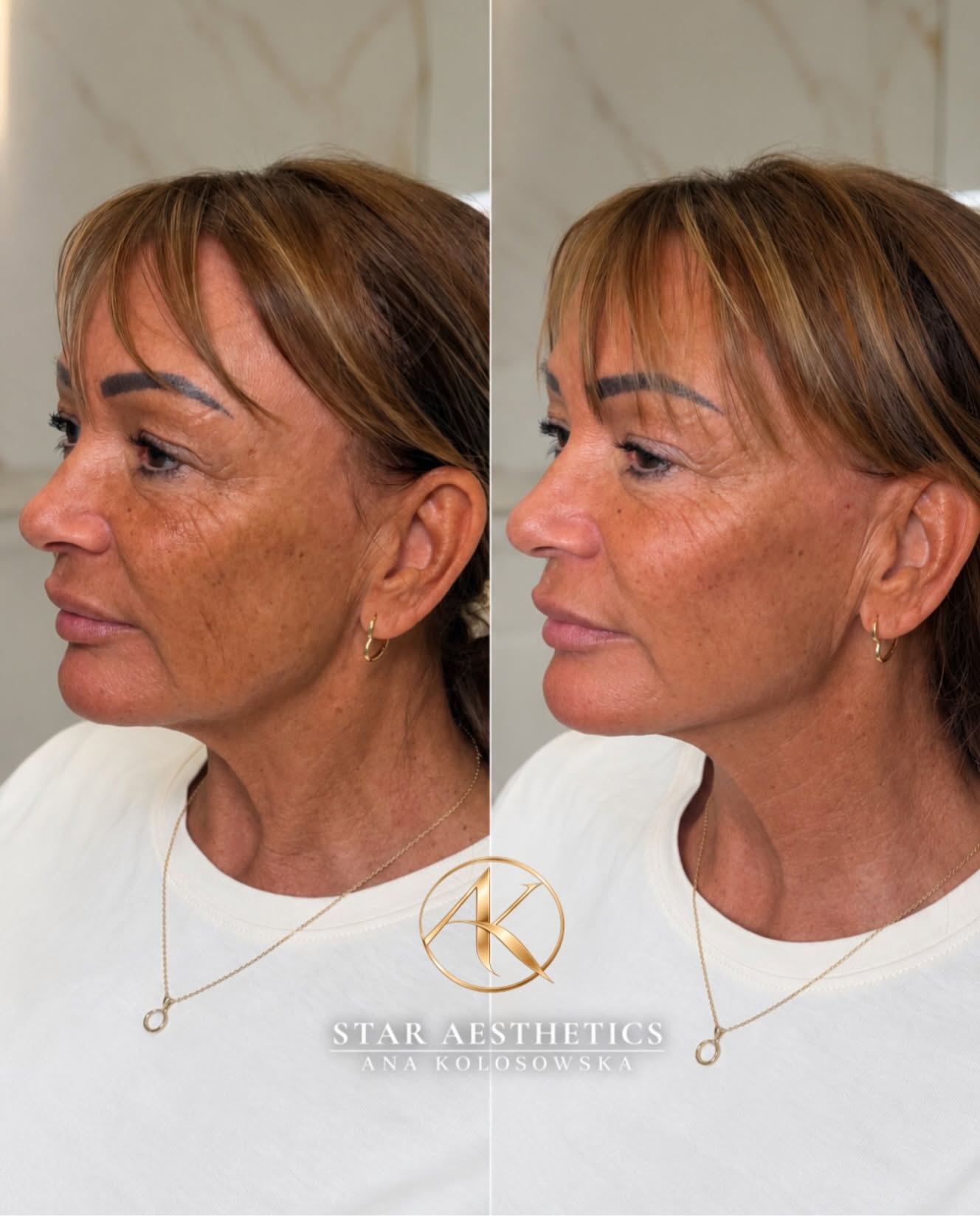
Individual results vary, and photographs of another client should never be taken as a guarantee of what you will achieve.
What Is Recovery Like?
Thread lifting is minimally invasive, but it is still an aesthetic procedure involving treatment beneath the skin.
Some temporary swelling, bruising, tenderness or tightness may occur after treatment.
Your practitioner may also provide specific instructions about facial movement, exercise, sleeping position, skincare or other activities during the initial recovery period.
Aftercare recommendations can vary depending on the technique and treatment performed, so you should follow the instructions provided specifically for you.
If something feels unusual or you are concerned about your recovery, contact the clinic rather than relying solely on advice found online.
Are There Risks With PDO Thread Lifting?
Yes.
No aesthetic procedure is completely risk-free.
Thread lifting can be associated with temporary effects such as swelling, bruising, tenderness, asymmetry or irregularity around the treated area.
Less common complications can also occur, including infection, inflammatory reactions, visible or palpable threads and other problems that may require professional assessment or treatment.
Understanding both potential benefits and risks is an important part of deciding whether a procedure is right for you.
A consultation should therefore be about much more than simply deciding how many threads to use.
Who May Be Suitable for a PDO Thread Lift?
Suitability cannot be determined by age alone.
Two people of the same age can have very different facial anatomy, skin quality and treatment needs.
A practitioner may consider the degree and location of tissue laxity, facial proportions, skin condition, previous aesthetic treatments, medical history and the result the client is hoping to achieve.
Expectations matter too.
Someone seeking a subtle improvement in facial support may have very different treatment goals from someone expecting a dramatic transformation.
If the expected result cannot realistically be achieved with threads, that should be discussed before treatment.
PDO Threads vs Dermal Fillers
PDO thread lifting and dermal fillers are different treatment categories.
Dermal fillers are generally used when the treatment objective involves volume, contour, proportion or structural support in specific areas.
Thread lifting is generally focused on supporting or repositioning selected tissues.
That does not mean one treatment is automatically better than the other.
In some cases a treatment plan may involve one approach. In others, different procedures may be discussed at different stages.
The correct choice depends on the underlying concern and the individual’s anatomy rather than simply choosing the treatment currently receiving the most attention online.
PDO Threads vs Skin Treatments
Treatments such as microneedling, chemical peels and other skin-focused procedures primarily address different concerns from thread lifting.
They may be discussed where the priority is skin texture, tone or general skin quality rather than tissue support.
This distinction is important because clients will sometimes ask for a lifting procedure when the concern they actually want to improve relates primarily to the skin itself.
A proper consultation helps separate these different treatment goals.
Why Consultation Matters
Social media can make aesthetic procedures look straightforward.
A before-and-after photograph may show a visible change, but it does not show the complete consultation, facial assessment, treatment planning, recovery or individual circumstances behind the result.
Thread placement needs to take facial anatomy into account.
The degree of laxity needs to be assessed.
Medical history and previous aesthetic treatment may matter.
Most importantly, the practitioner and client need to agree on what can realistically be achieved.
Sometimes that consultation may confirm that thread lifting is appropriate.
Sometimes another treatment may be discussed.
And sometimes the right recommendation may be not to proceed.
PDO Thread Lift at Star Aesthetics Birmingham
Star Aesthetics Clinic & Academy provides consultation-led aesthetic treatment planning in Birmingham.
If you are considering PDO threads because of changes in facial contours, jawline definition or skin laxity, the starting point is an individual assessment.
The consultation provides an opportunity to discuss your concerns, facial anatomy, suitability, realistic expectations, potential risks and alternative options before deciding whether treatment is appropriate.
The goal is not simply to perform a procedure because it is popular.
It is to create a treatment plan that makes sense for the individual.